
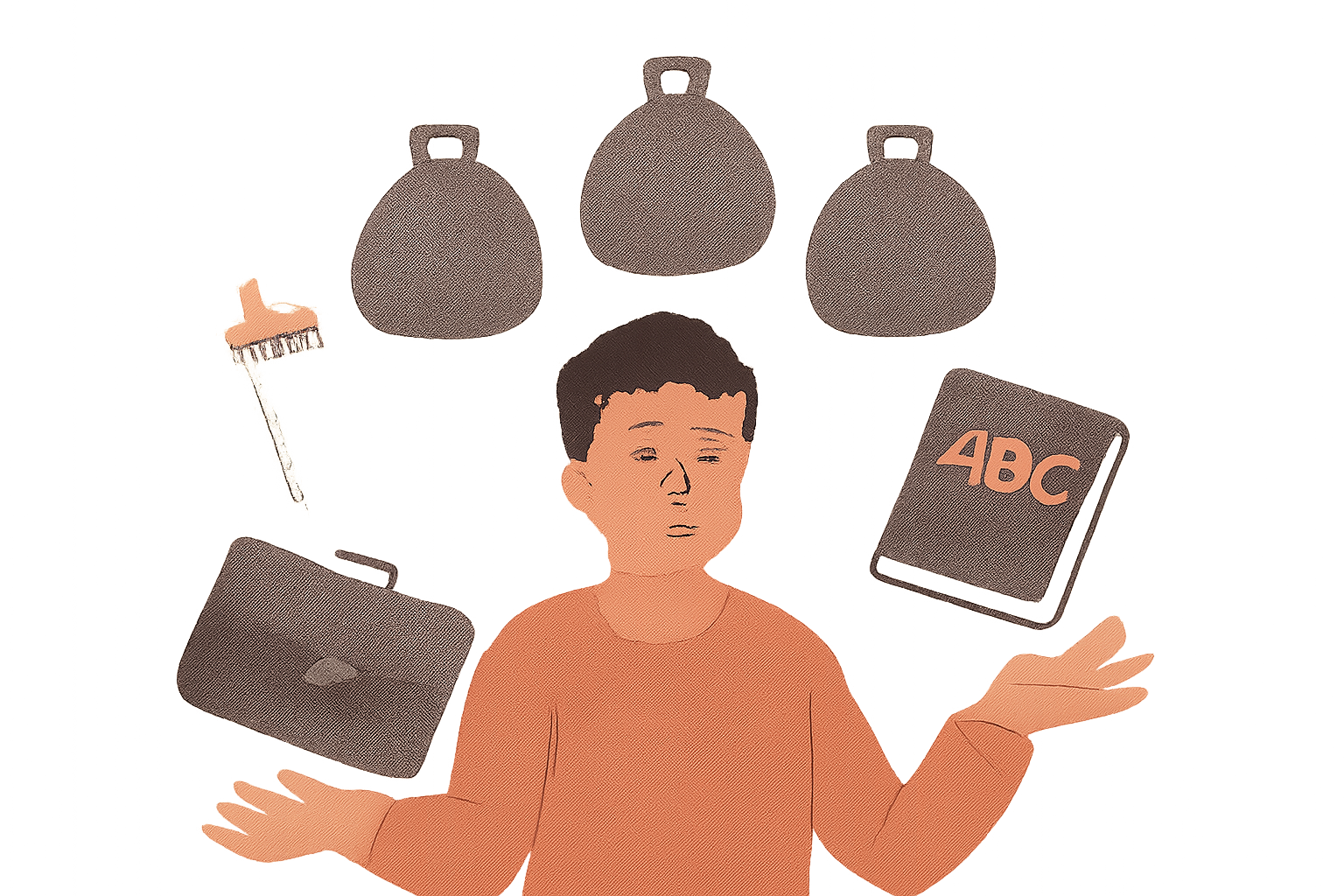
Raising children often involves navigating a multitude of stressors that affect both psychological and physical well-being. The constant demands for attention, coupled with unpredictable schedules and tasks, can lead to chronic stress, impairing mental and physical health. Studies indicate that parenting stress can contribute to anxiety and depression symptoms, diminishing parental responsiveness and increasing conflicts within the family unit.
Physiologically, the sustained stress response associated with parenting can result in elevated cortisol levels, which, over time, may lead to health issues such as hypertension, weakened immune response, and metabolic disorders. It is essential for parents to develop coping strategies to manage stress effectively. These can include prioritizing self-care, establishing support networks, and practicing time management to mitigate the adverse effects on health.
Parental stress also influences children’s development. Chronic exposure to a stressed environment can affect children's psychological outcomes, potentially leading to issues such as anxiety, behavioral problems, and impaired cognitive development. Therefore, mitigating stress in the family environment is crucial for promoting healthier developmental trajectories for children.
Evidence-based approaches highlight the effectiveness of mindfulness, cognitive-behavioral strategies, and family therapy in alleviating parental stress. These interventions not only improve parental well-being but also enhance family dynamics and child outcomes. Understanding and addressing the sources and manifestations of stress related to parenting can lead to better health and emotional stability for the entire family.